SDG 15 Life On Land
Protecting, restoring and promoting sustainable use of terrestrial ecosystems, managing forests sustainably, and halting biodiversity loss.
The world today faces an unprecedented environmental crisis. Rising global temperatures, erratic rainfall, frequent cloudbursts, extended summers, and diminishing winters are clear indicators of a disturbed ecological balance. While these challenges affect every corner of the globe, it is the rural communities especially farmers who bear the brunt of climate change.
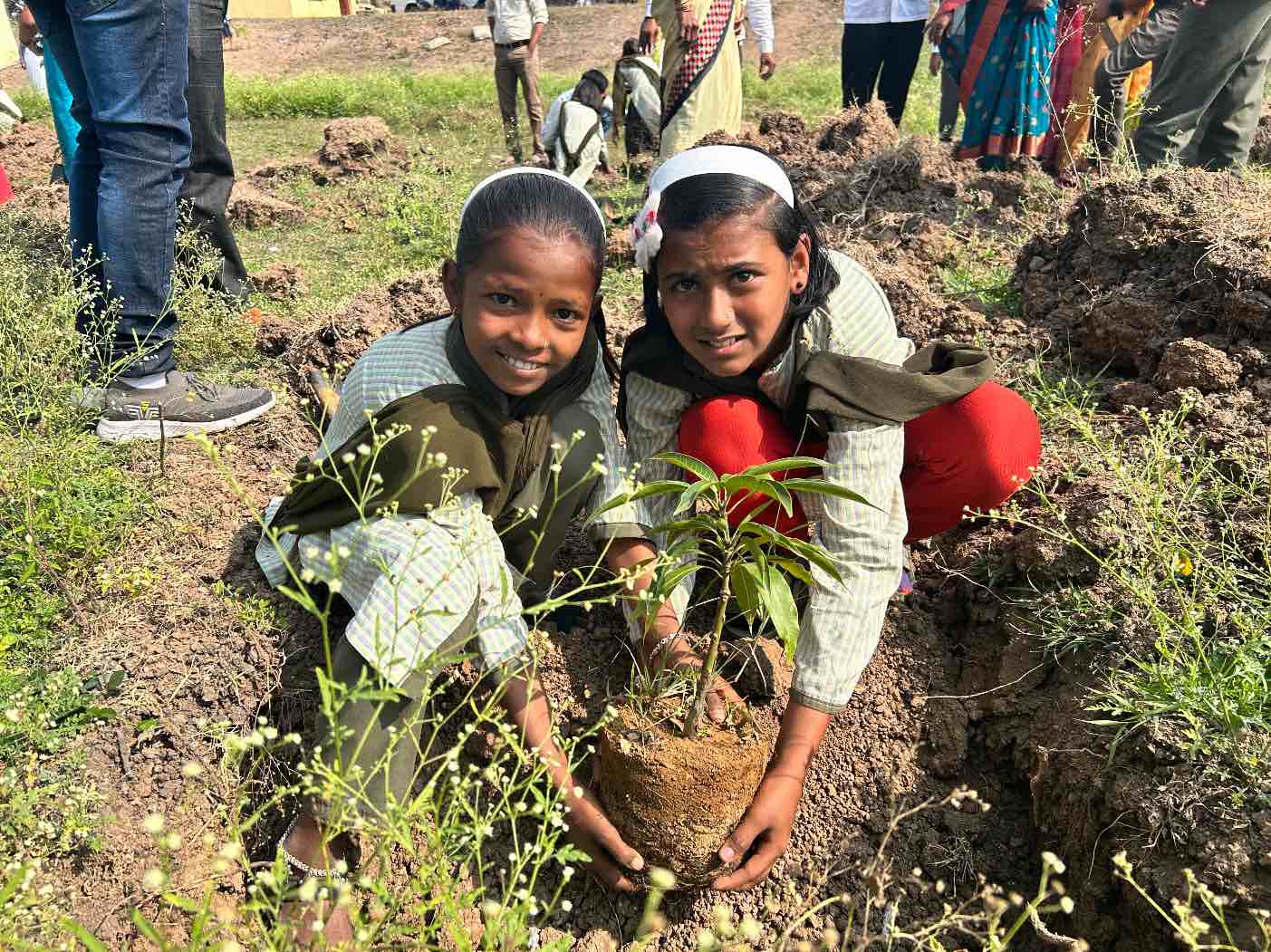
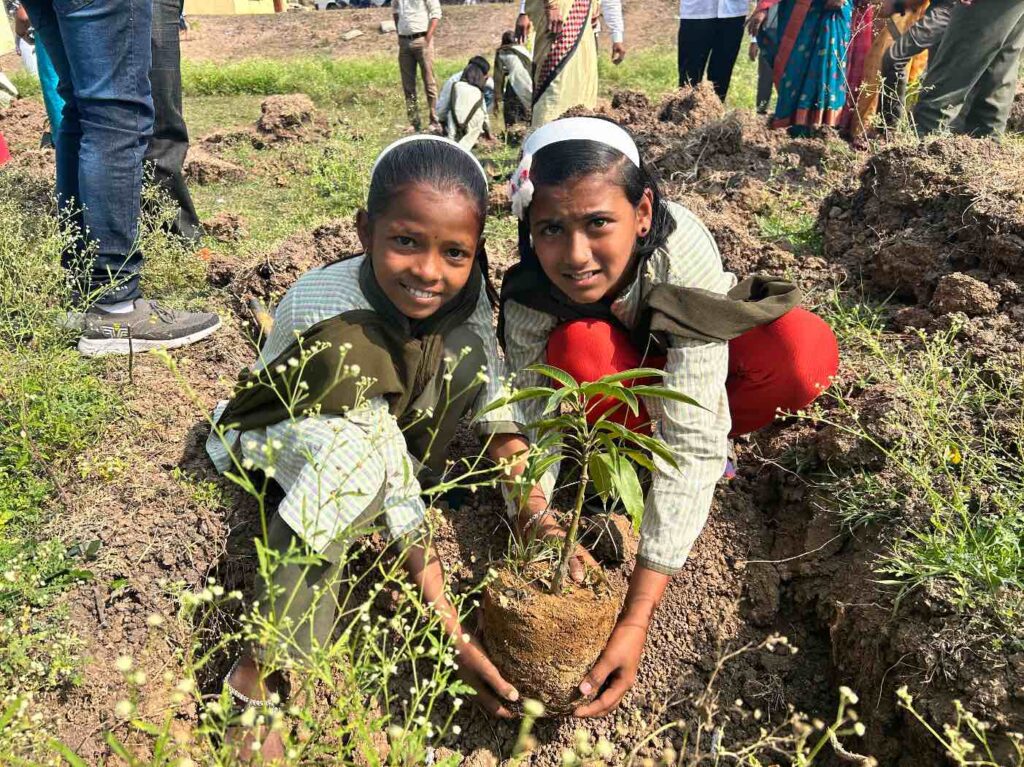
The unpredictability of weather patterns has left them vulnerable, making it imperative to take action at the grassroots level. To combat these threats, there is only one sustainable and effective solution: large-scale afforestation. Trees not only mitigate the effects of rising temperatures but also help in groundwater recharge, promote biodiversity, and restore the natural ecosystem.
Rebuilding a lost forest is no easy feat—it takes at least 30 to 40 years for a natural forest to regenerate, provided that adequate land is available for afforestation. In today’s world, where quick solutions often lead to ecological harm, invasive foreign tree species have found their way into reforestation efforts.
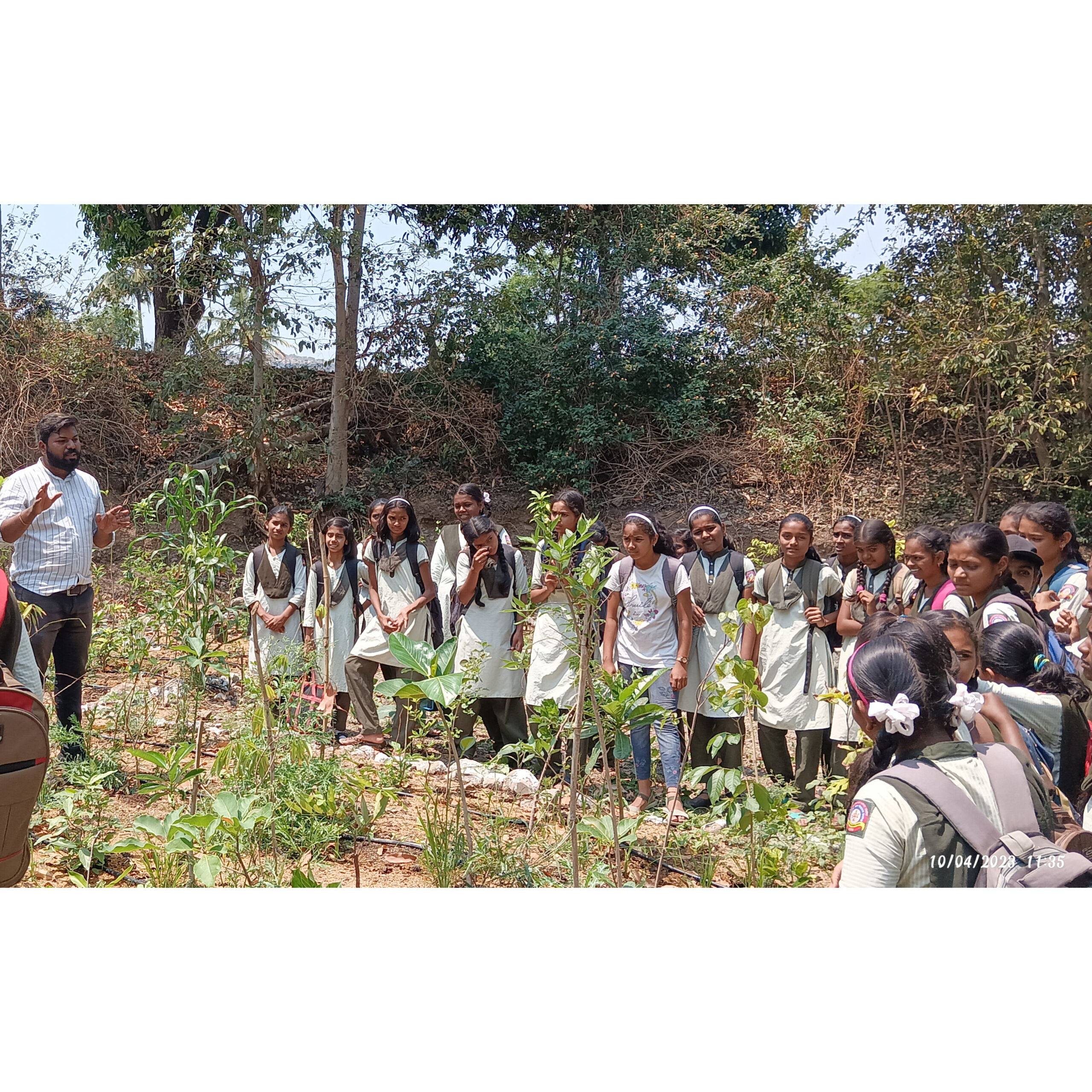
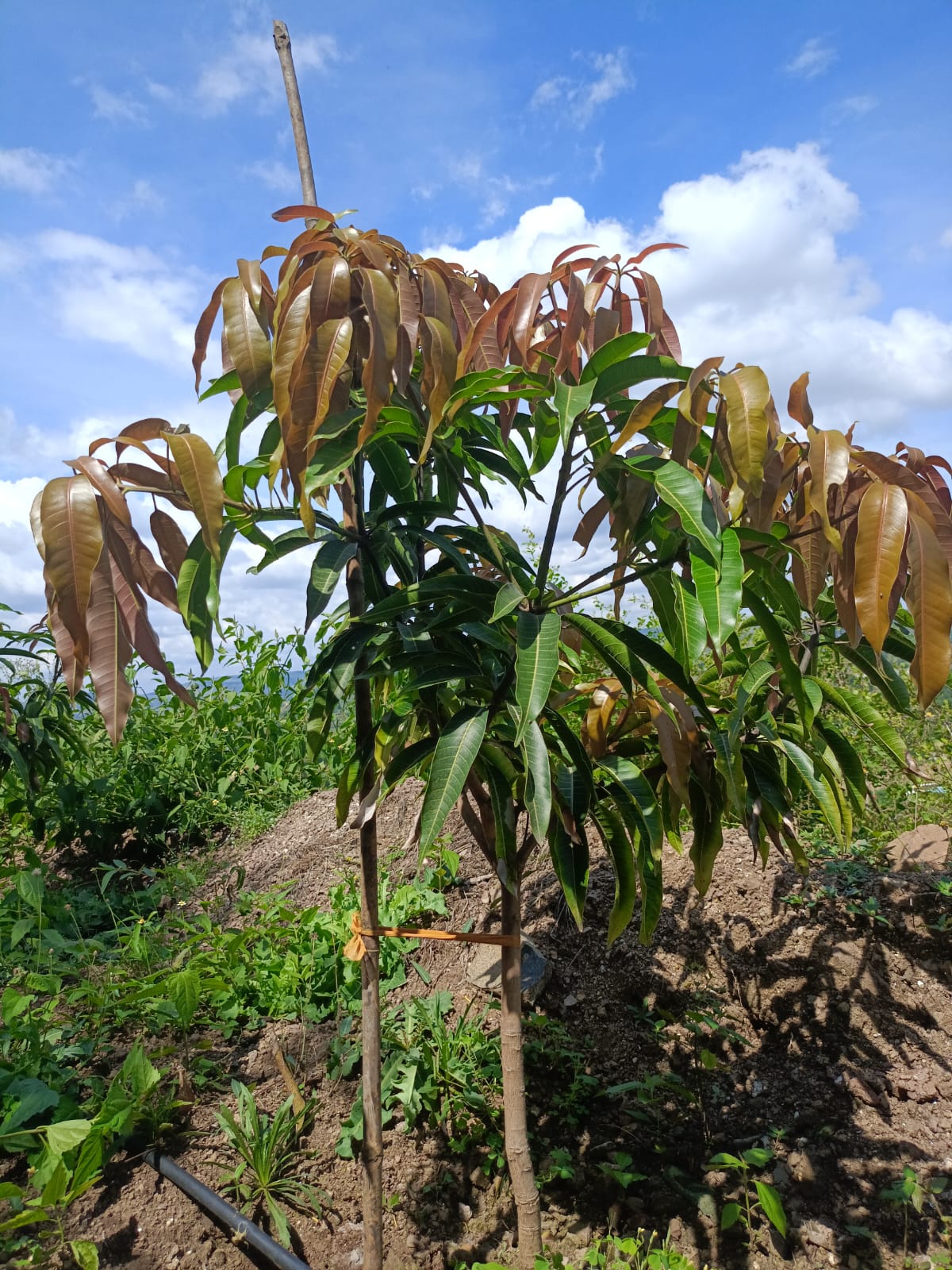
However, true environmental restoration can only be achieved by preserving and propagating native tree species, which play a crucial role in maintaining ecological balance. While traditional methods of forest growth take decades, the afforestation technique by Navdrushti has emerged as a revolutionary approach, accelerating forest regeneration within just three years.