Miyawaki Jungle Cup
Overview
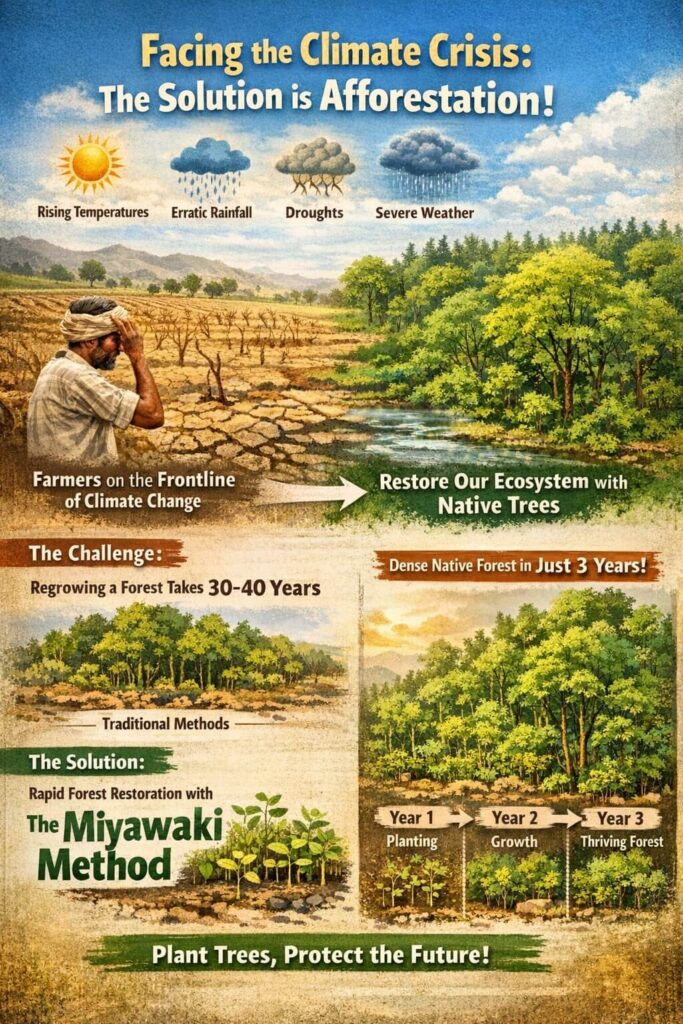
The world is facing a severe environmental crisis.
Rising global temperatures indicate climate imbalance. Erratic rainfall and frequent cloudbursts are increasing.
Summers are becoming longer, and winters are shrinking.
Rural communities, especially farmers, are most affected by climate change.
Unpredictable weather patterns make farming livelihoods vulnerable.
Addressing climate change requires action at the grassroots level.
Large-scale afforestation is a sustainable and effective solution.
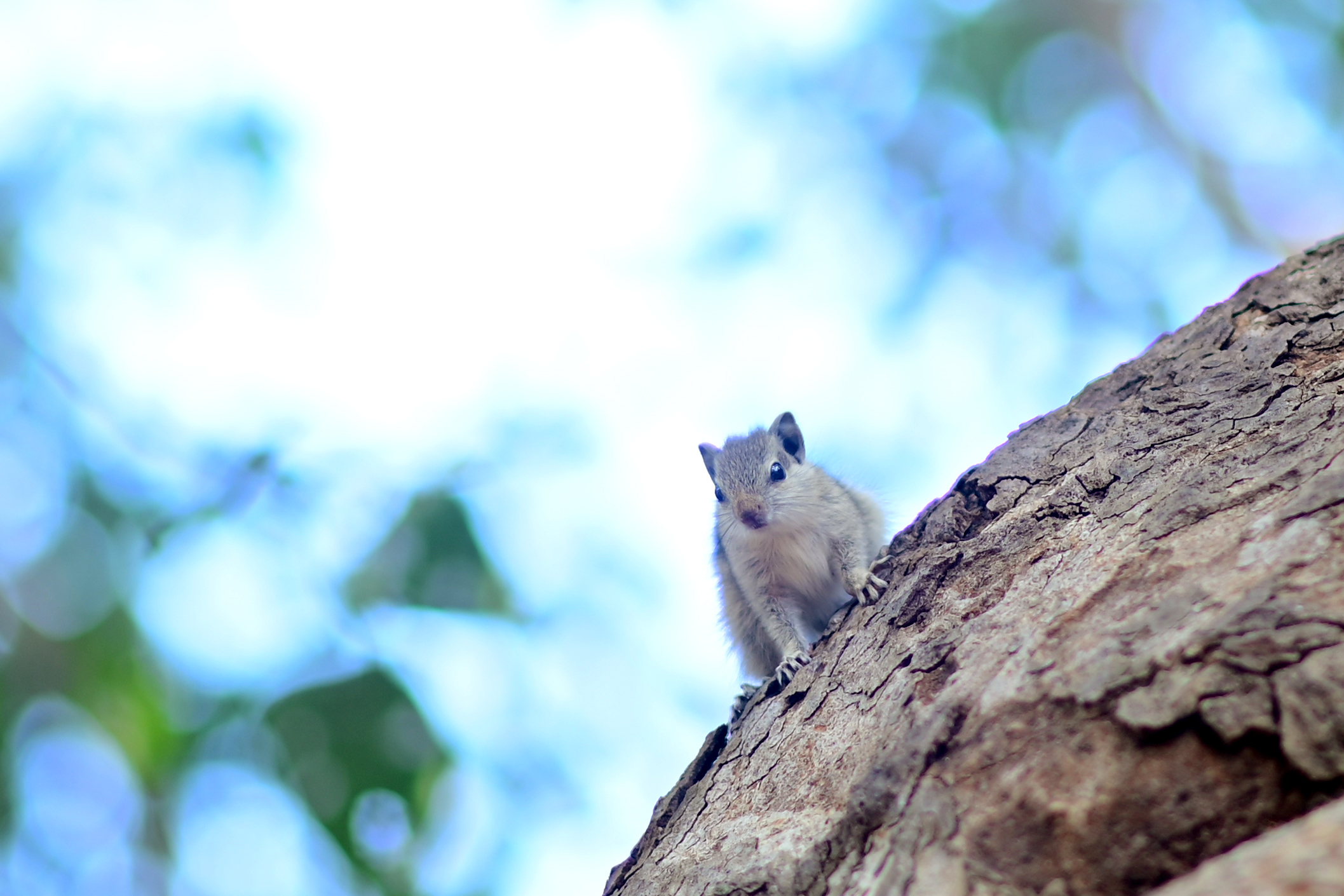
Trees help reduce heat, recharge groundwater, and support biodiversity.
Afforestation restores ecological balance and natural ecosystems.
Challenge
Natural forest regeneration takes 30–40 years.
Adequate land availability is required for traditional afforestation.
Quick-fix approaches often harm the environment.
Invasive foreign tree species are frequently used in reforestation efforts. Native tree species are essential for true ecological restoration.
Preserving native species helps maintain long-term ecological balance. Traditional forest growth is slow and time-intensive.
The Miyawaki afforestation technique enables rapid forest growth.
This method can restore dense forests within three years.
Objectives
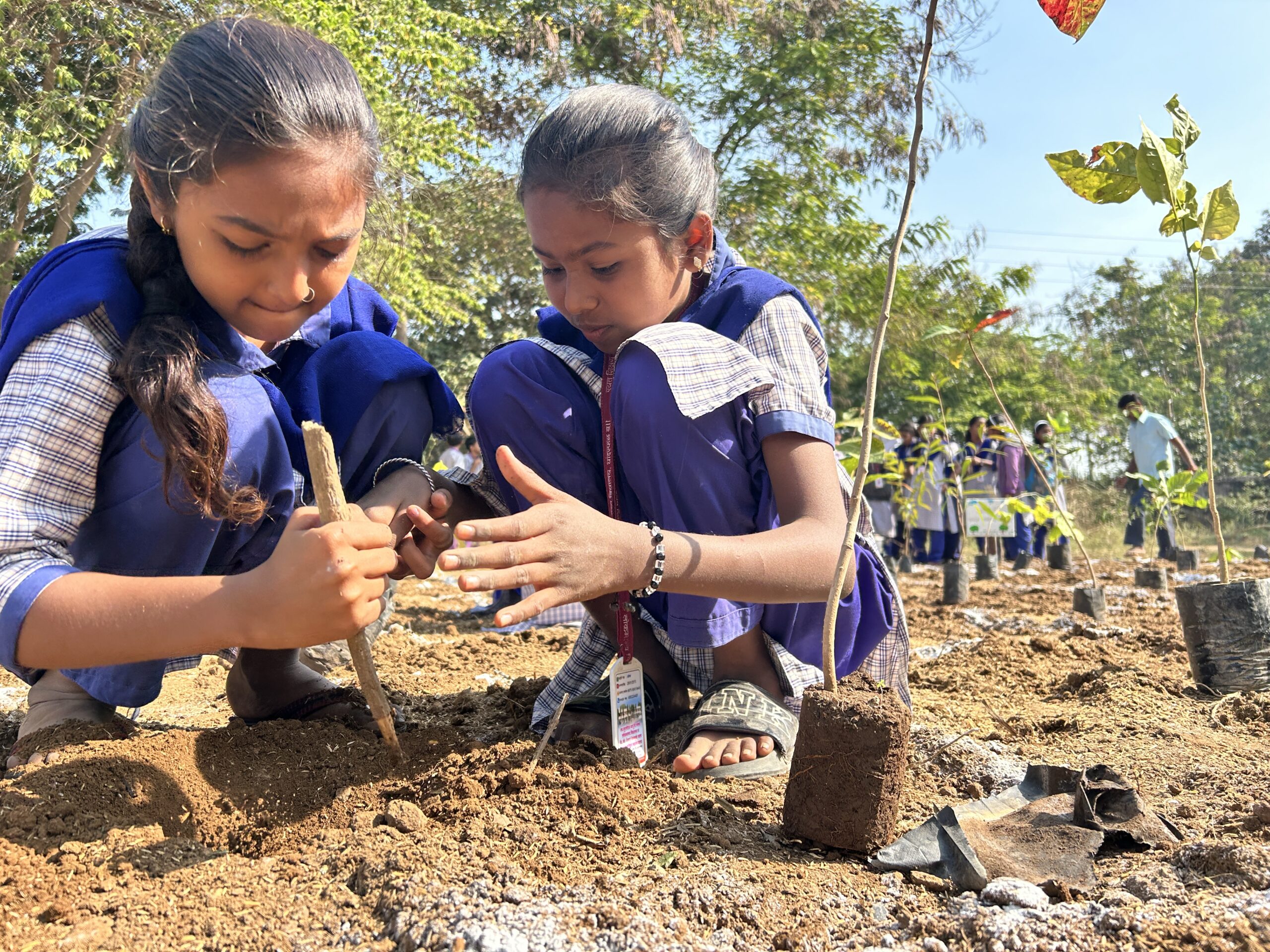
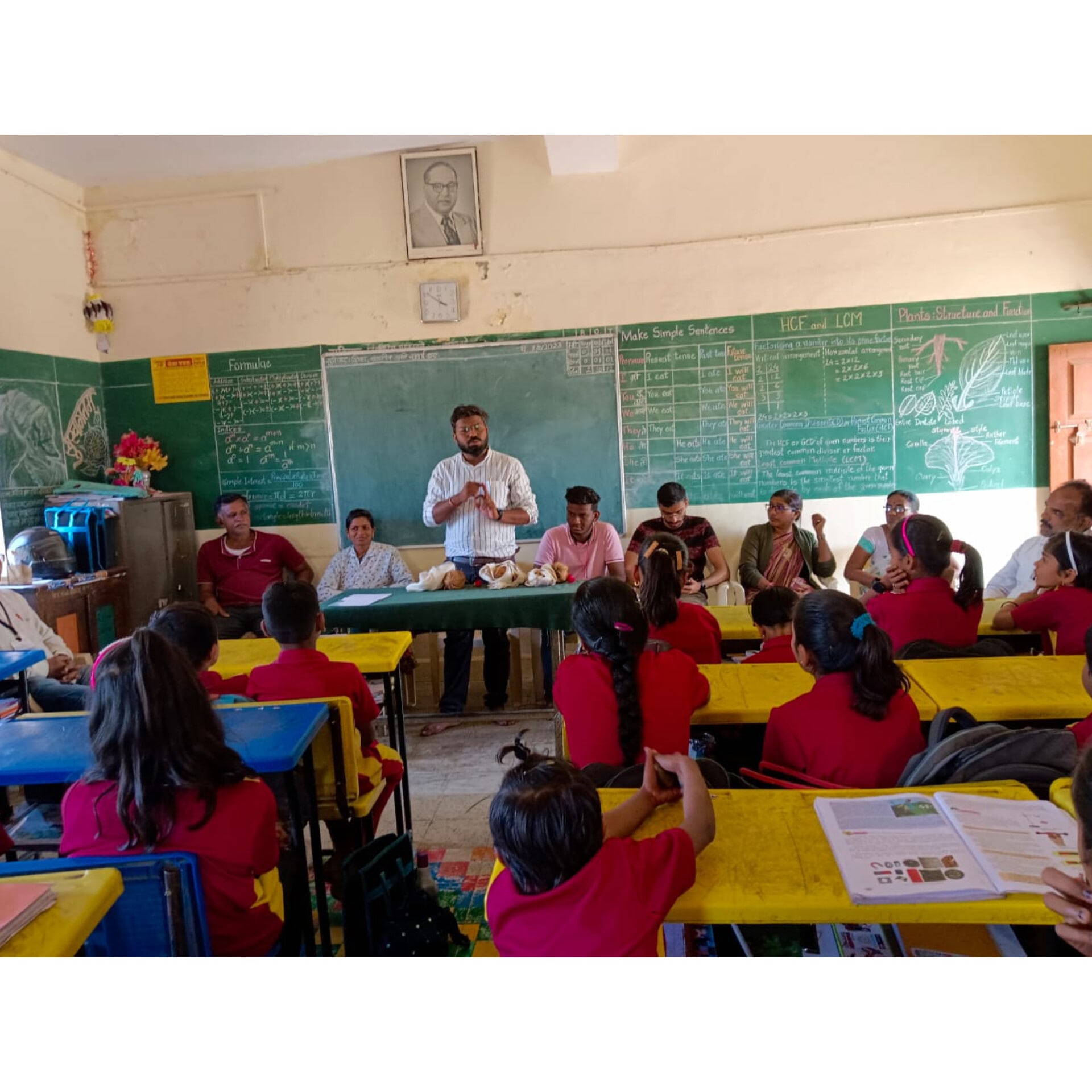
To inspire and engage rural communities in large-scale afforestation efforts at the village level.
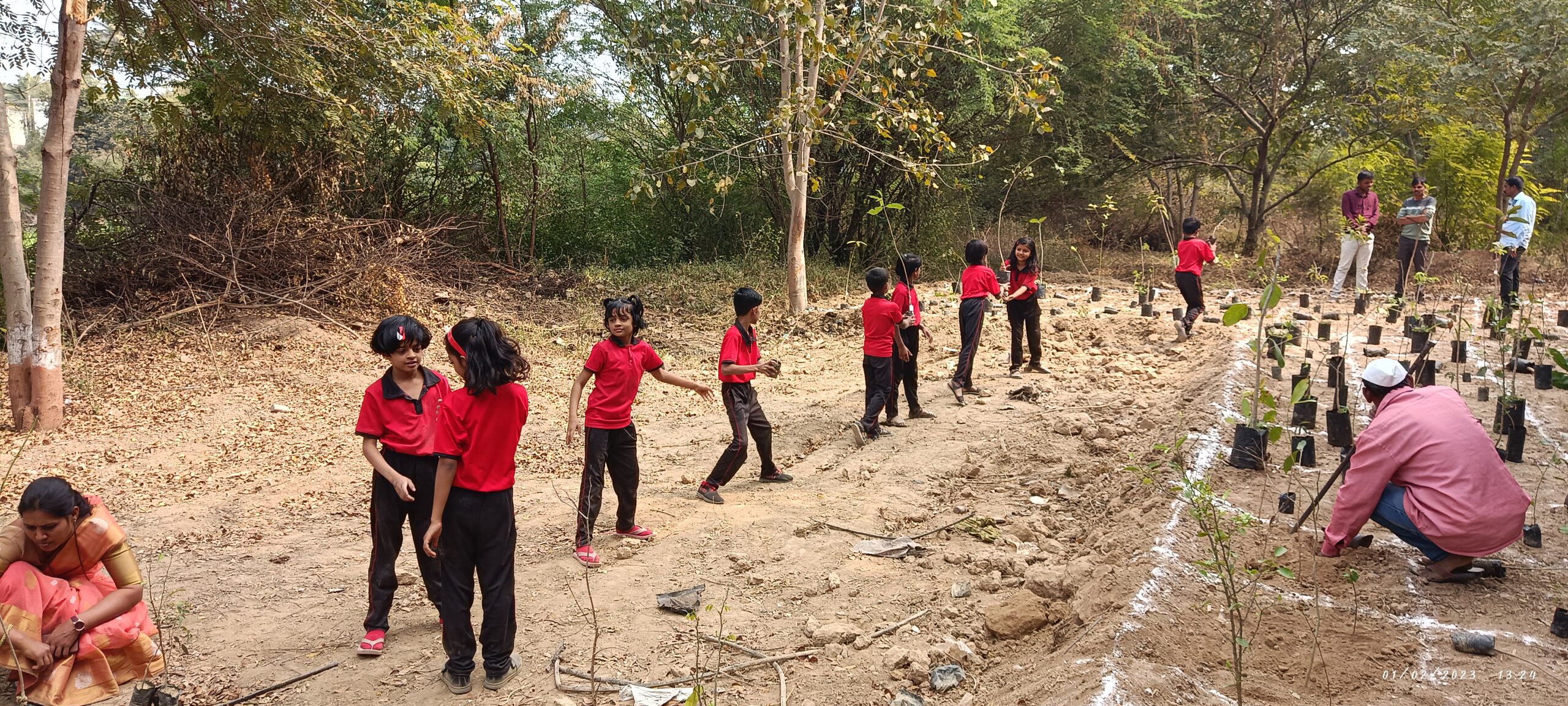
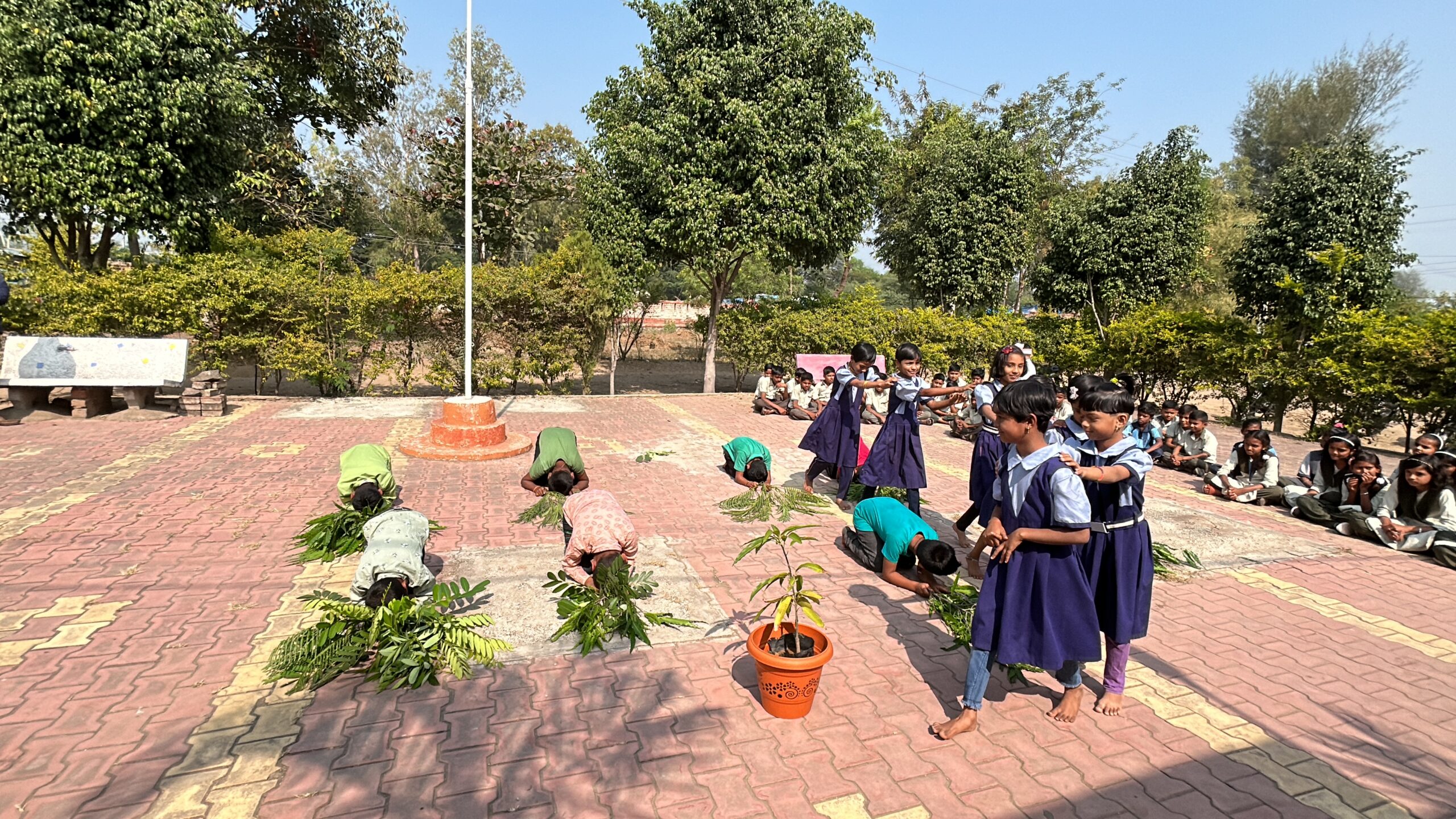
To ensure the direct involvement of villagers in environmental protection through active participation.
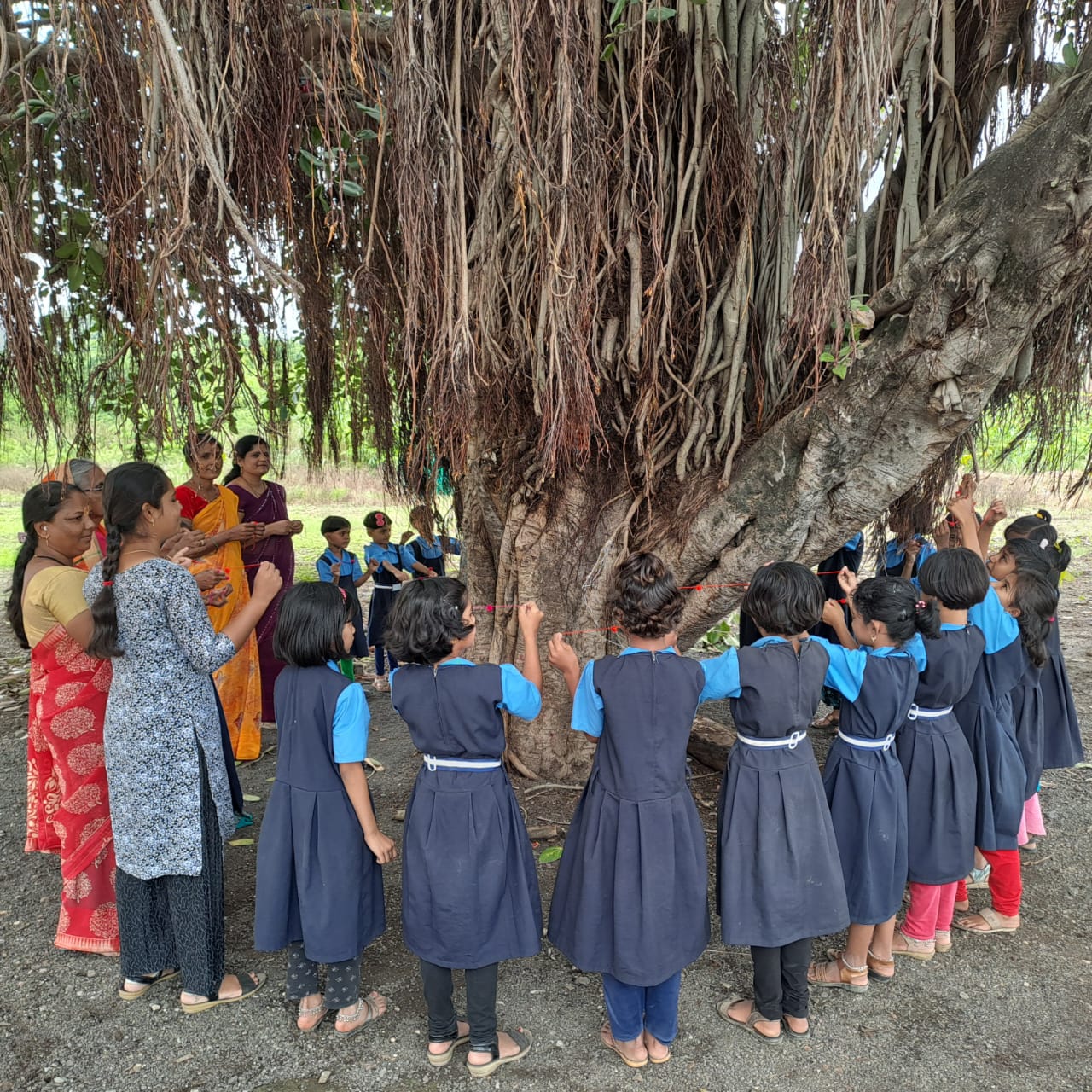
To instill a deep-rooted understanding of conservation and the importance of native tree species.
To encourage villagers to take ownership of their forests, fostering long-term environmental responsibility.
Implementation
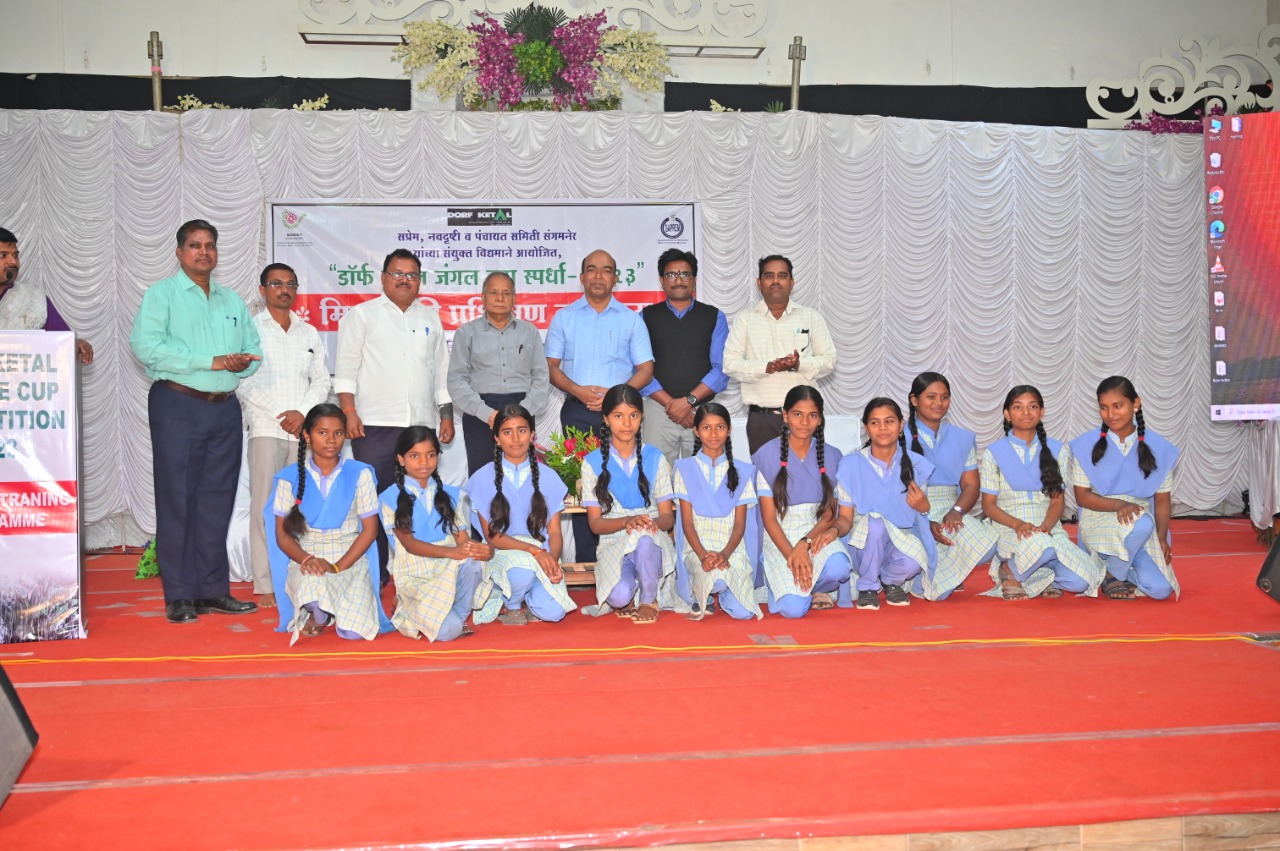
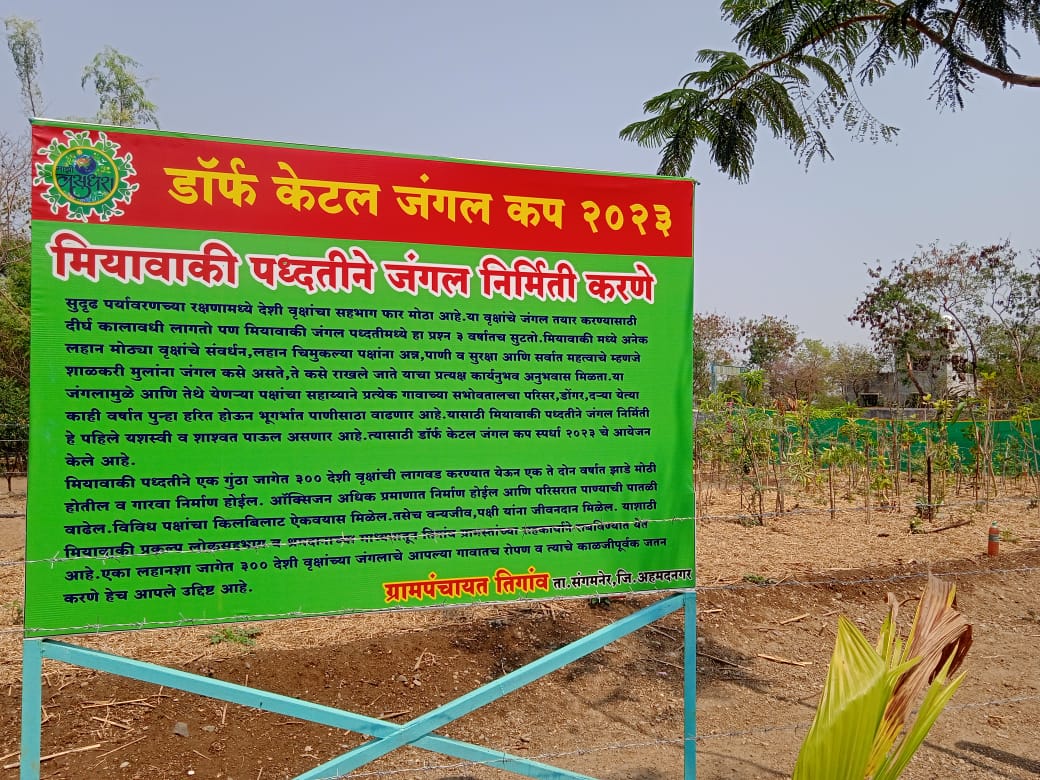
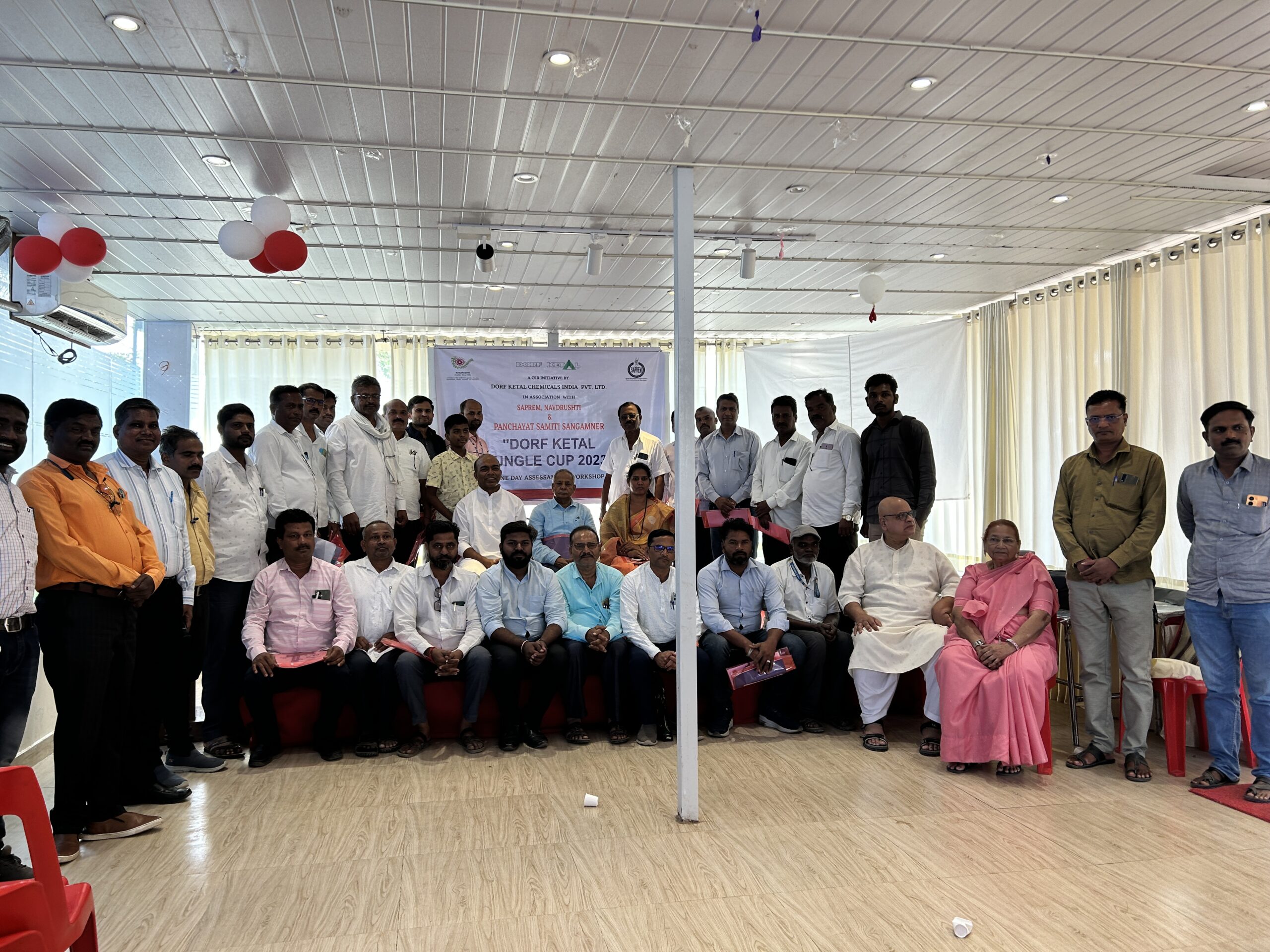
Recognizing the urgent need for climate action at the village level, Dorf Ketal Chemicals India Ltd. initiated the Dorf Ketal Miyawaki Jungle Cup to inspire rural communities in afforestation efforts. The initiative focused on involving villagers directly in protecting the environment and fostering a sense of ownership over their forests.
Community Mobilization
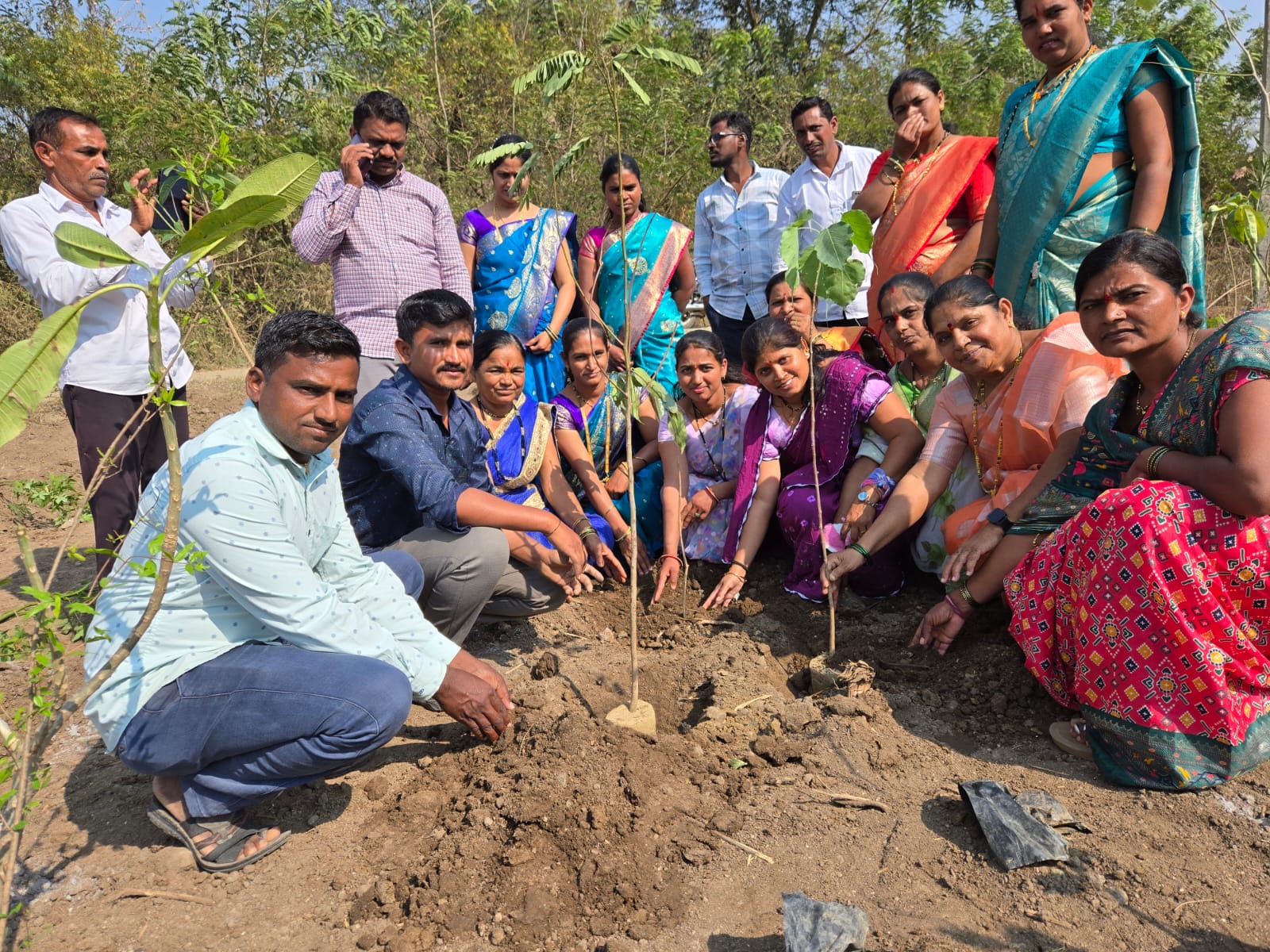
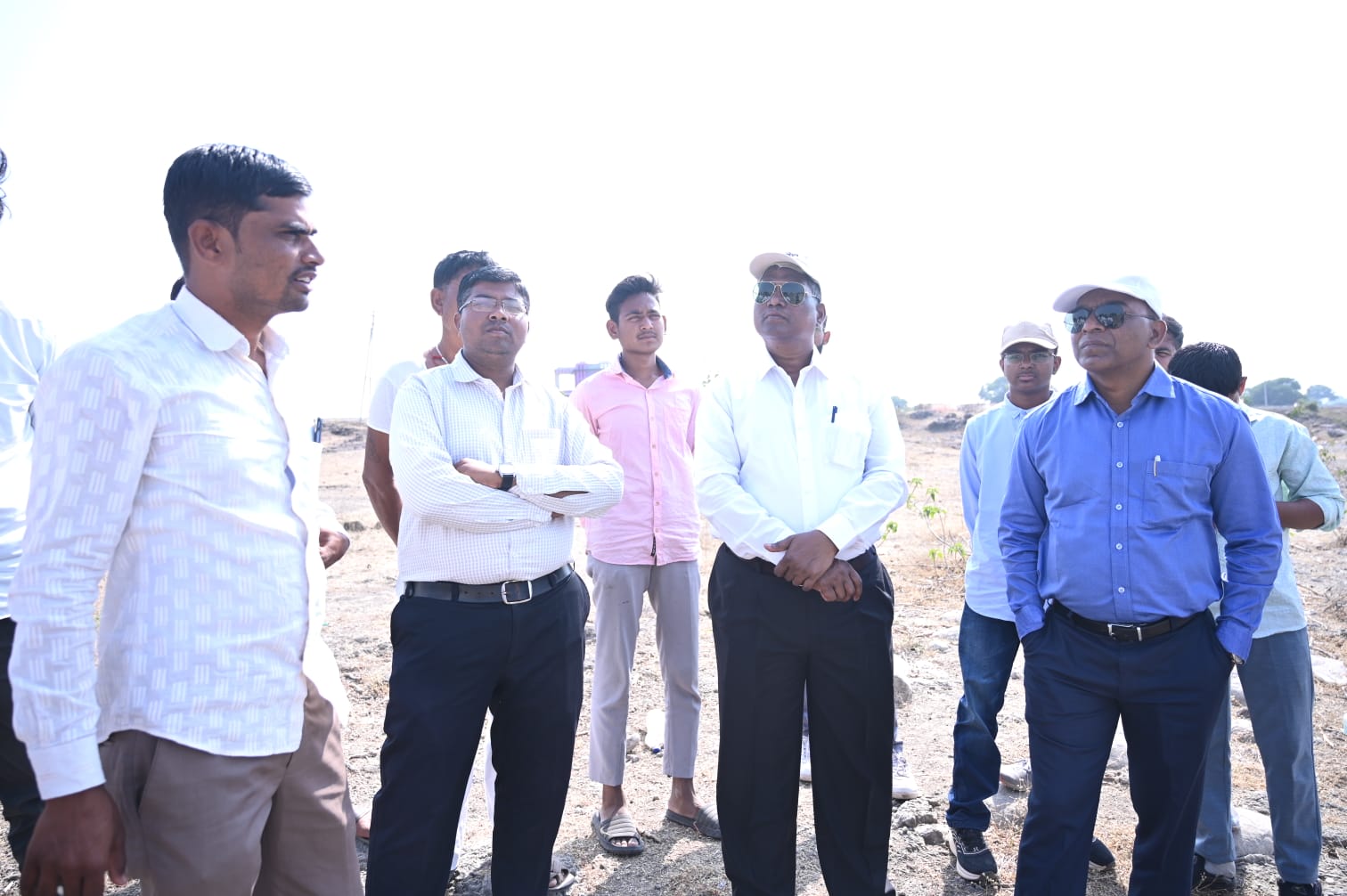
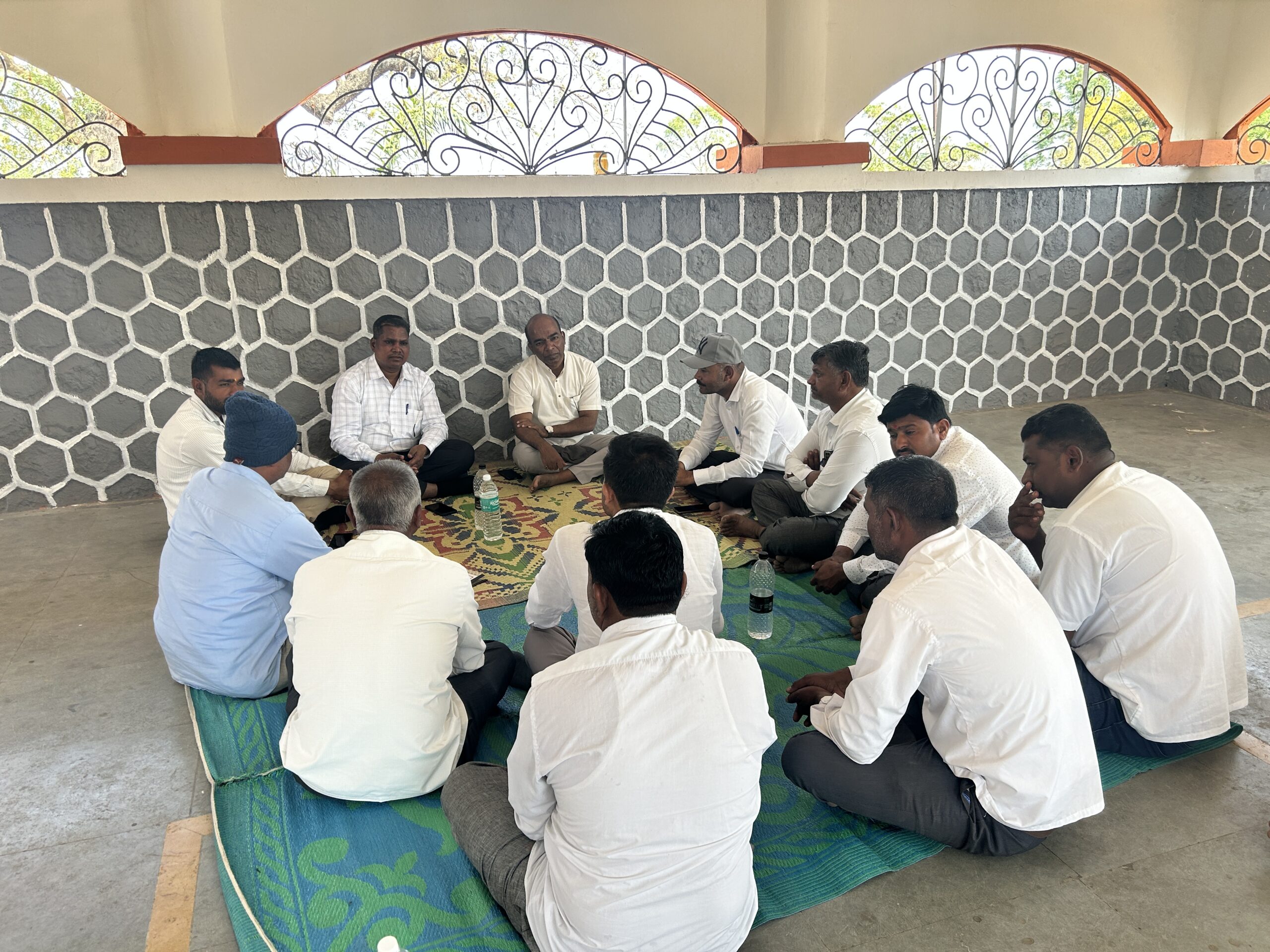
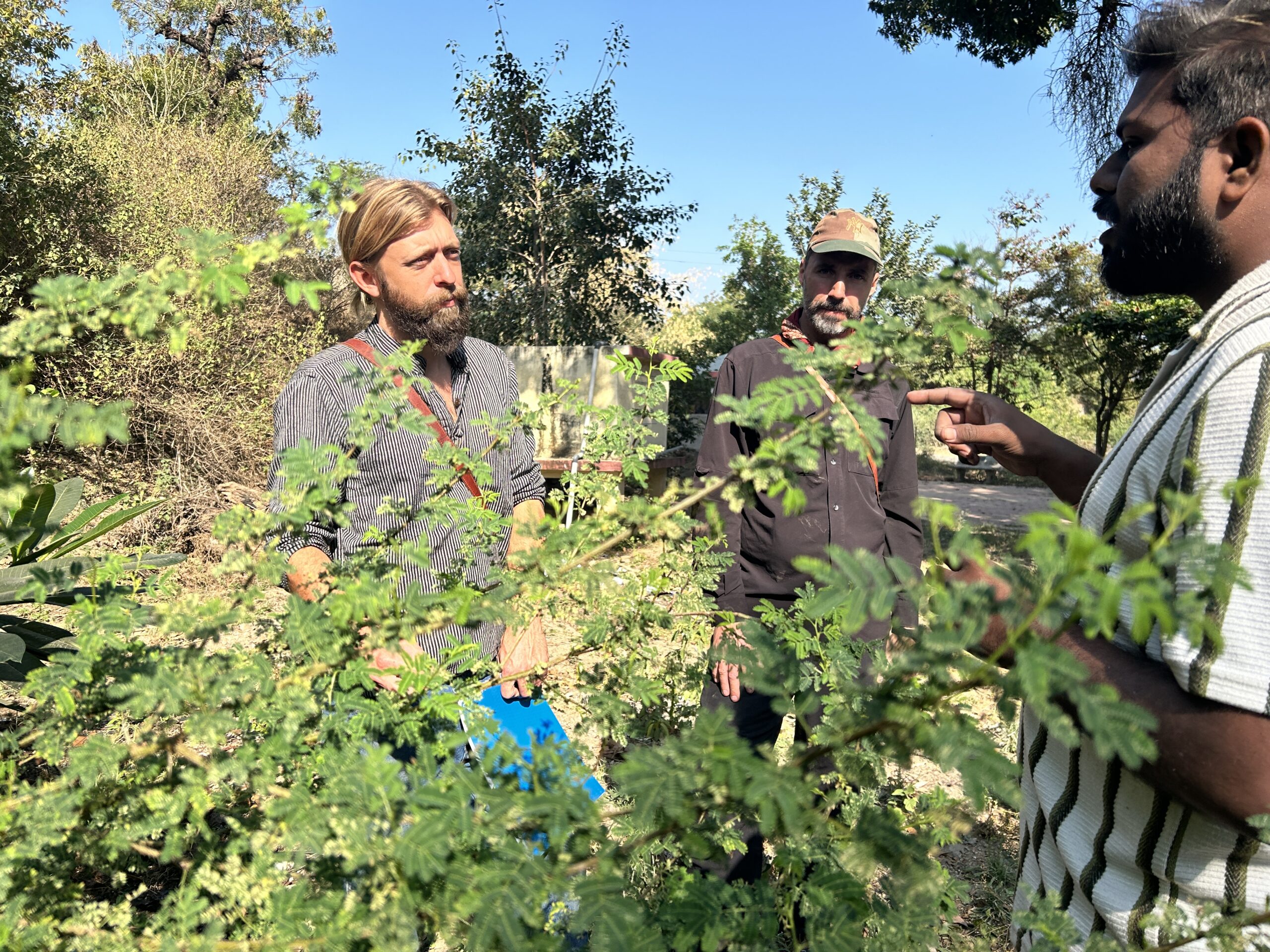
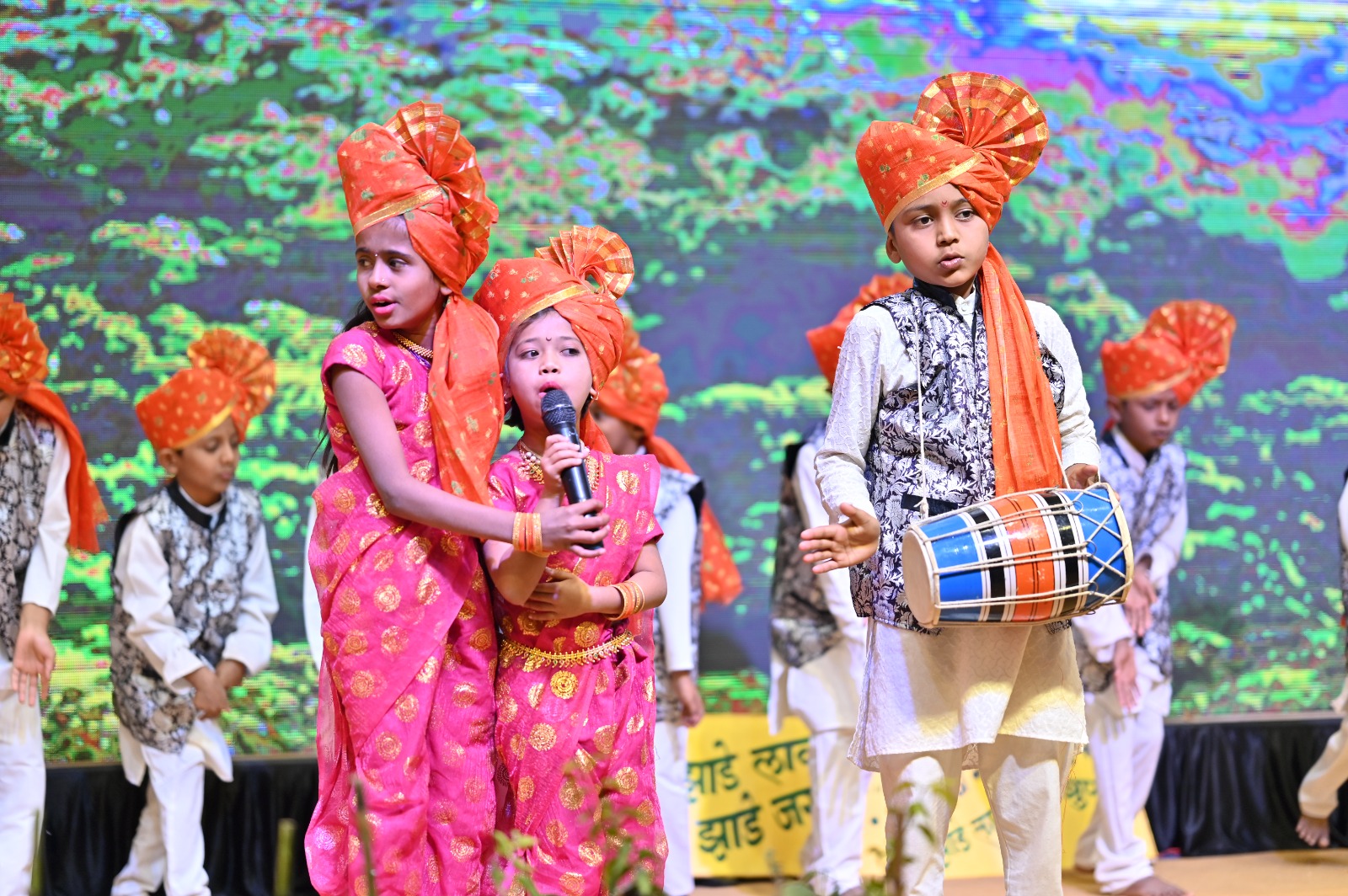
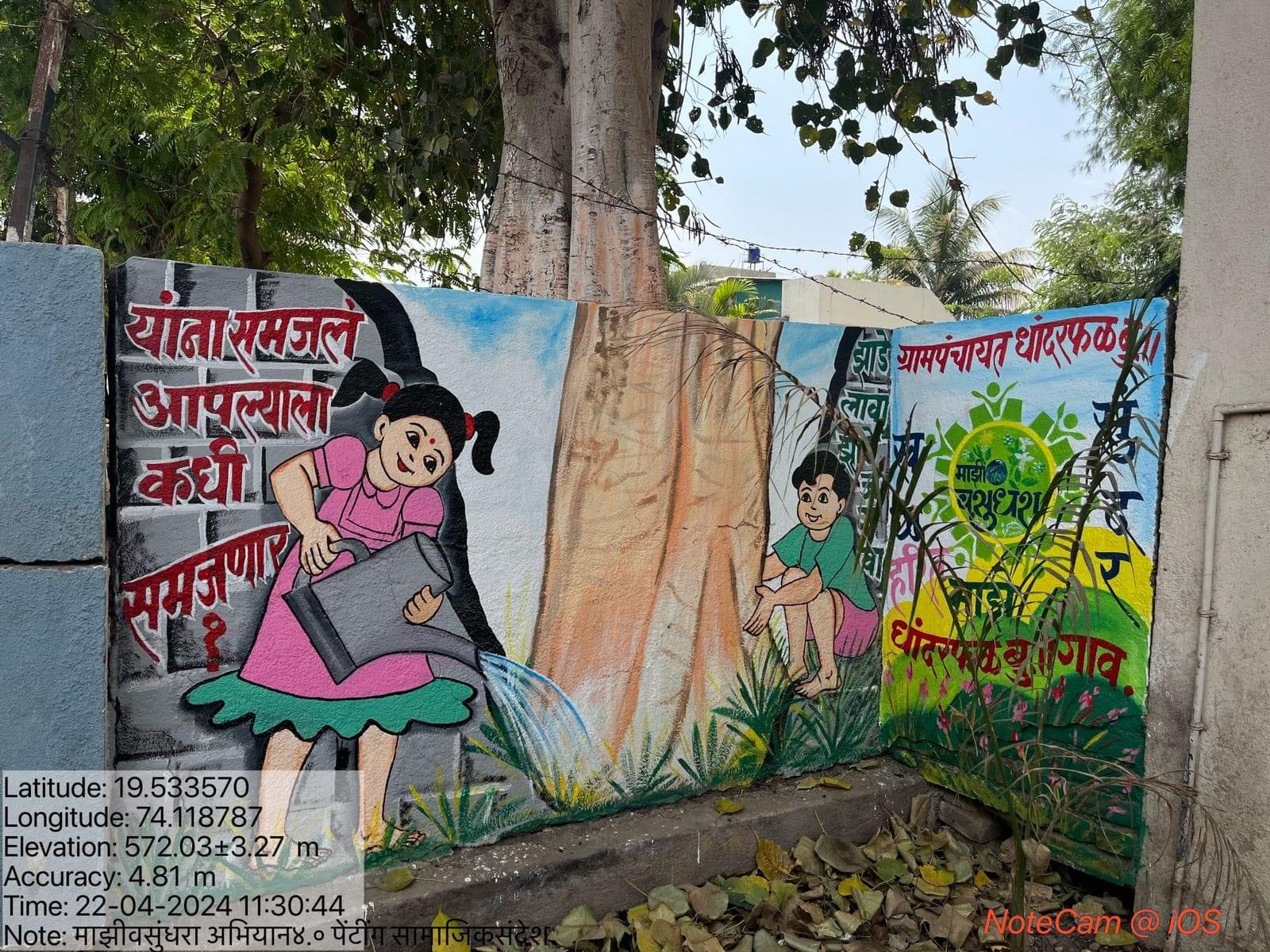
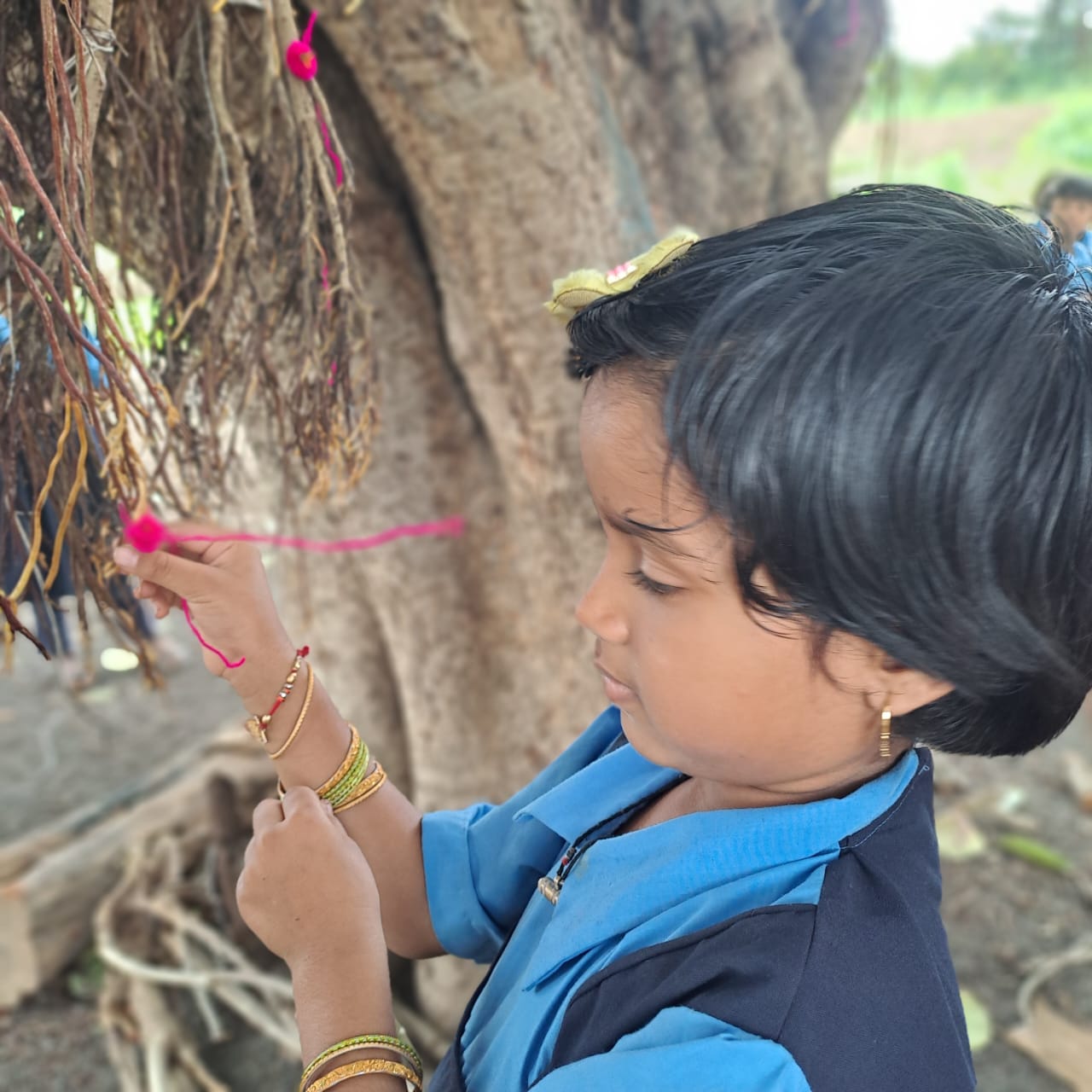
The project began with efforts to engage rural communities by spreading awareness about the importance of afforestation and conservation. Villagers were encouraged to actively participate and take ownership.
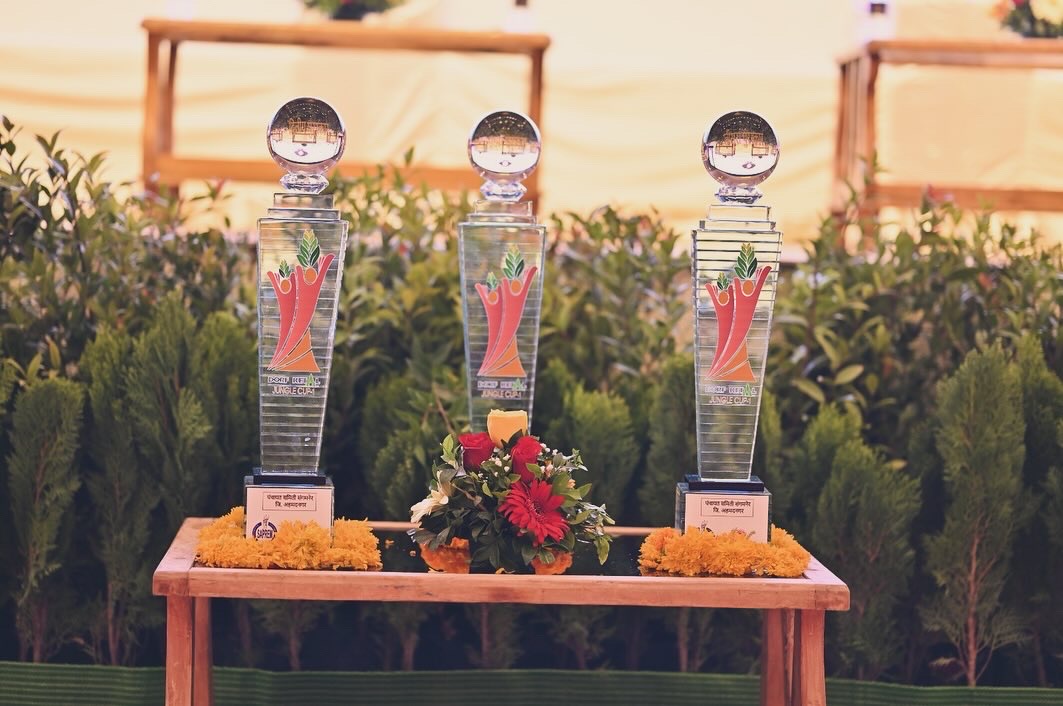
Miyawaki Jungle Cup Competition
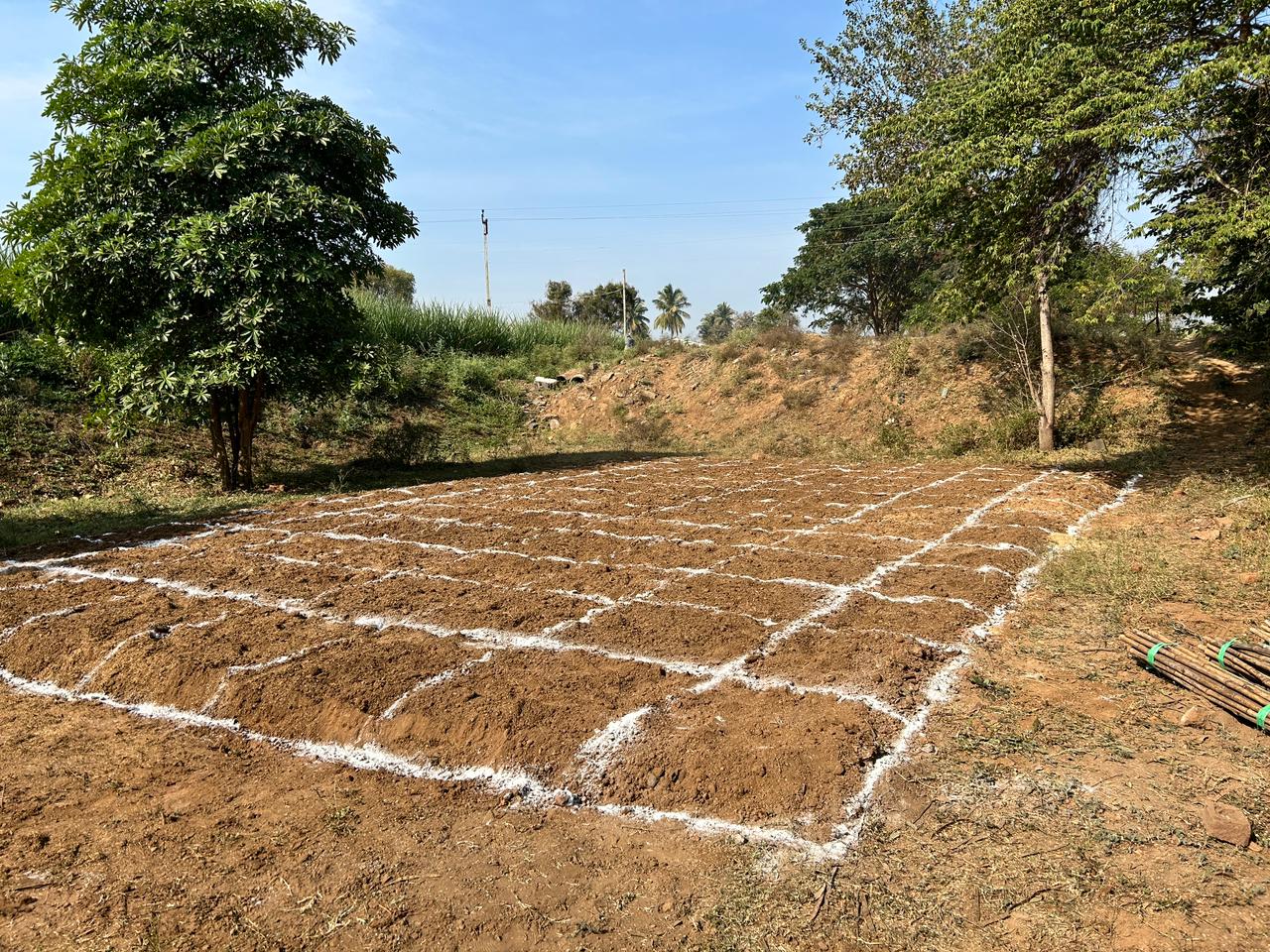
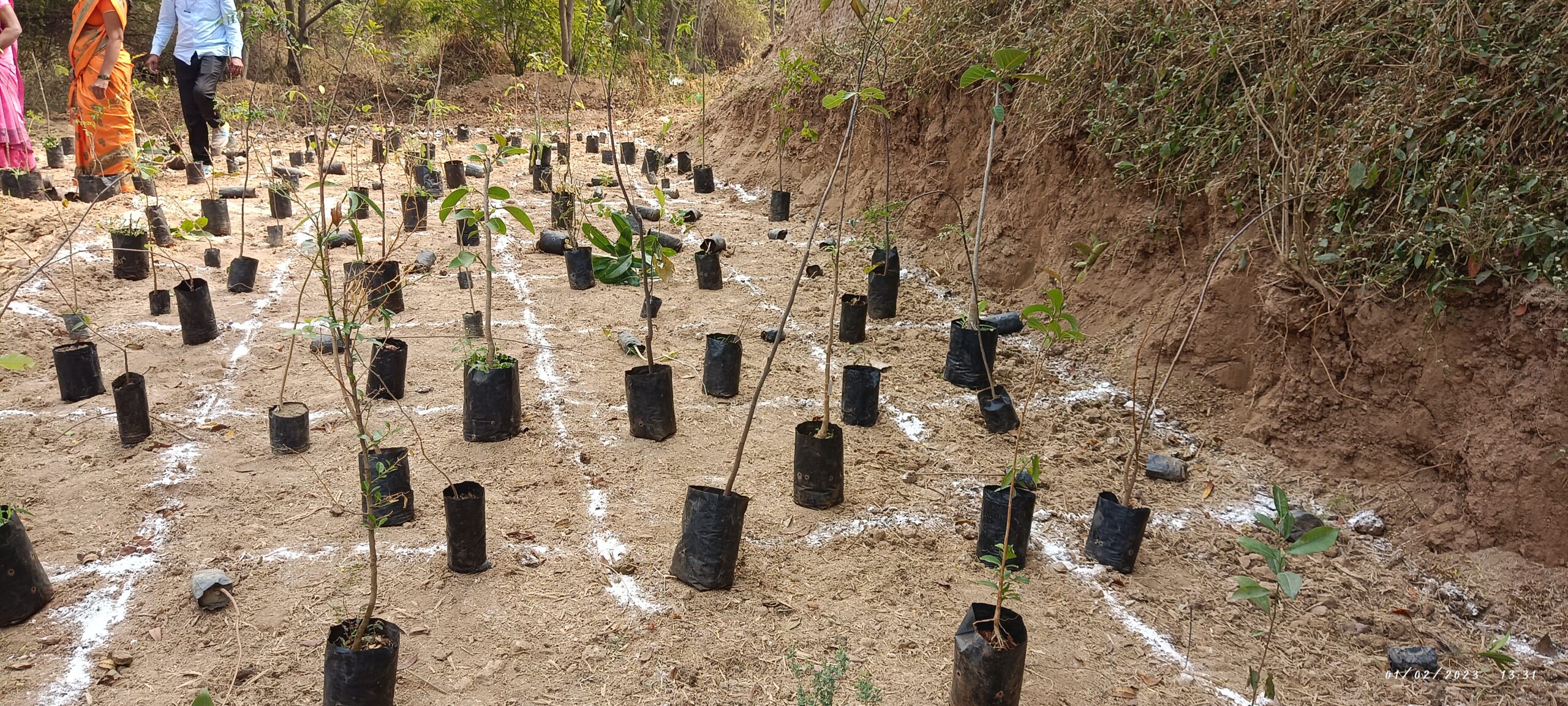
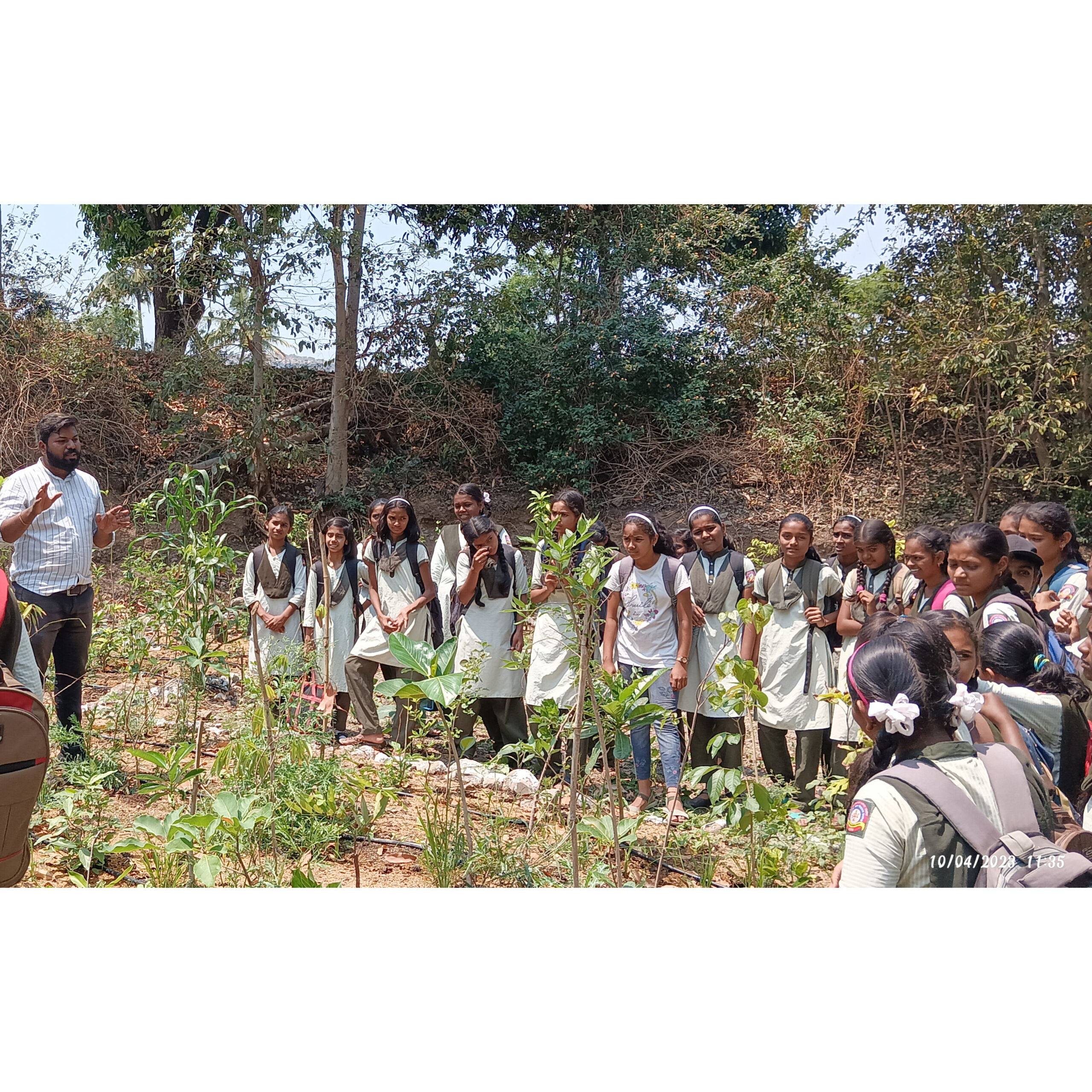
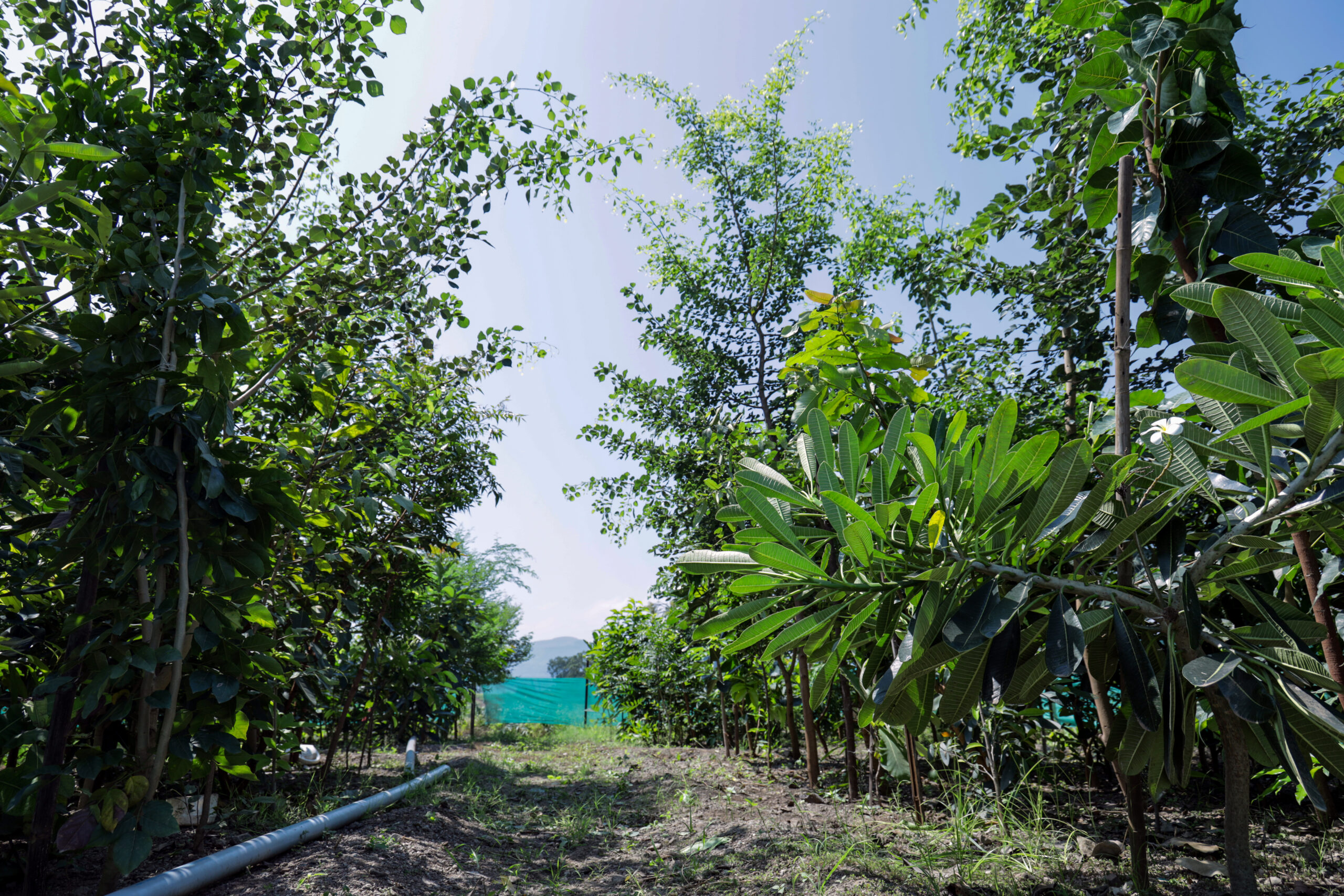
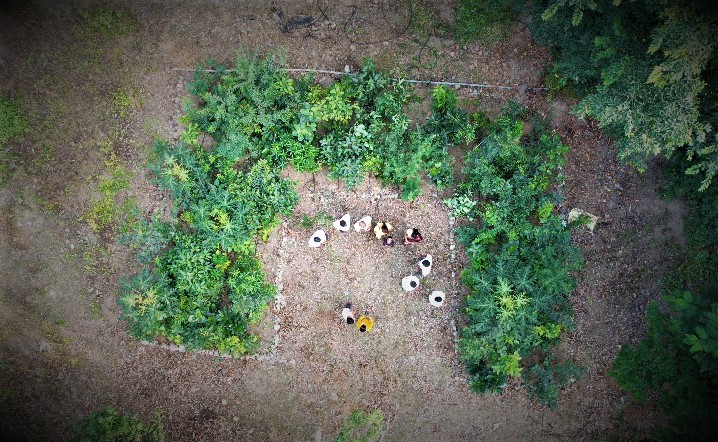
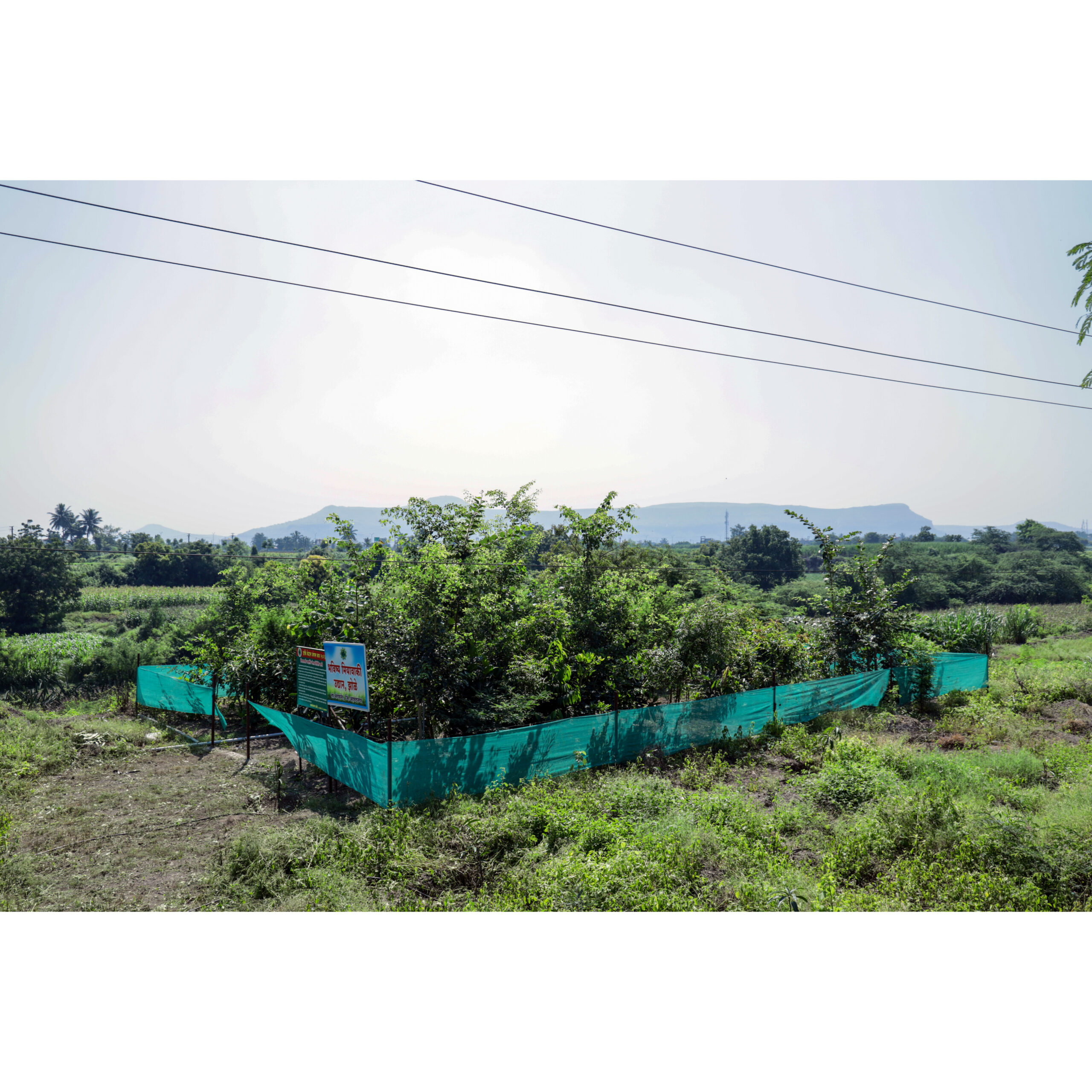
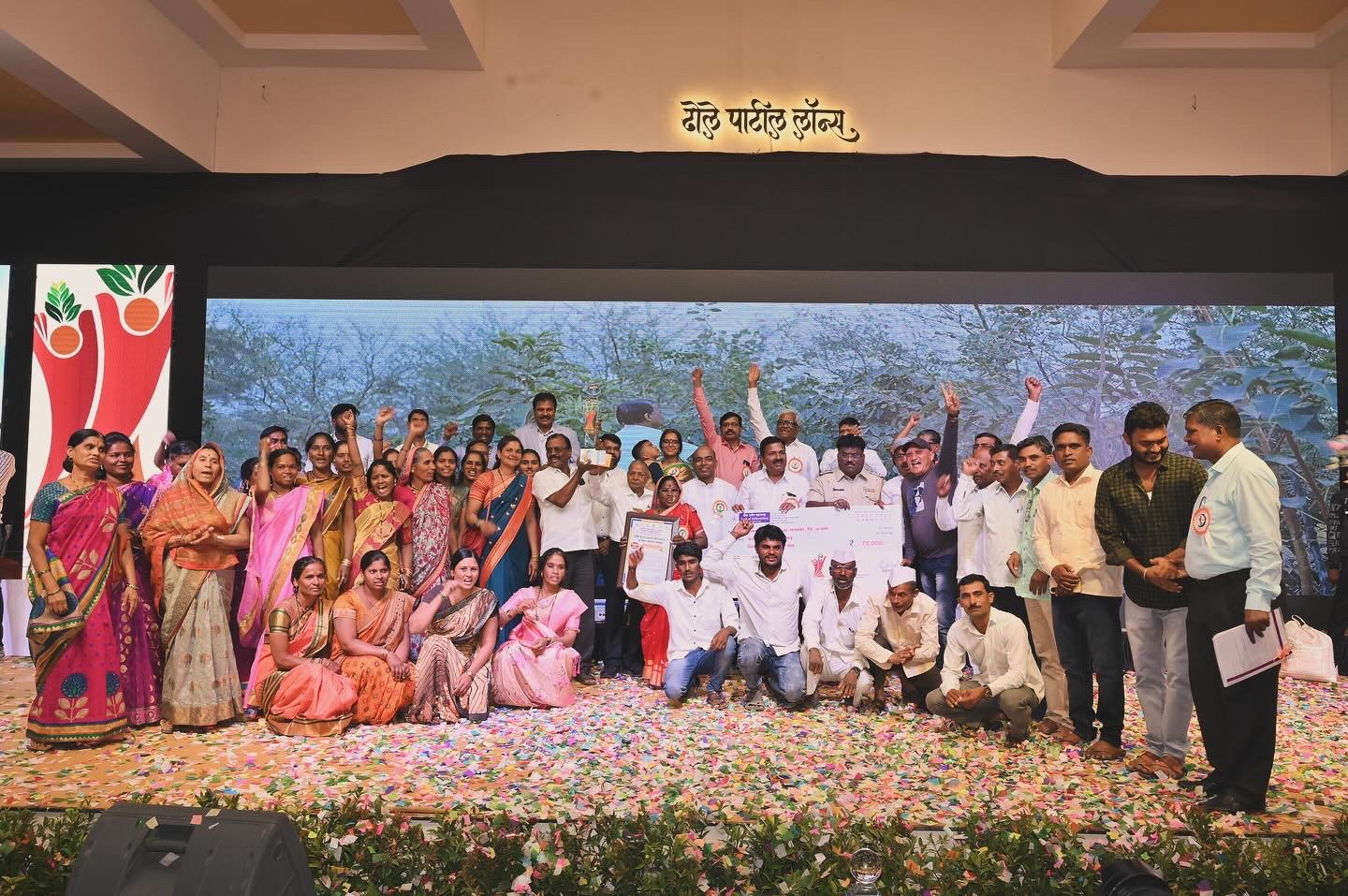
A unique competition was organized among villages to promote afforestation efforts. Through this, participants were motivated to plant native trees and develop dense mini-forests using the Miyawaki method.
Sustained Environment
Beyond planting trees, the project emphasized nurturing a culture of long-term environmental care. Villagers were guided to maintain and protect their forests, ensuring lasting ecological and environmental benefits.
Improvements
Community Engagement Enhancements
Environmental Impact Advancements
A Movement of Hope and Sustainability
This movement is more than just a competition; it is a symbol of hope, resilience, and collective determination to combat climate change from the ground up.
It marks the beginning of a larger battle against environmental degradation, one that must start at the village level.
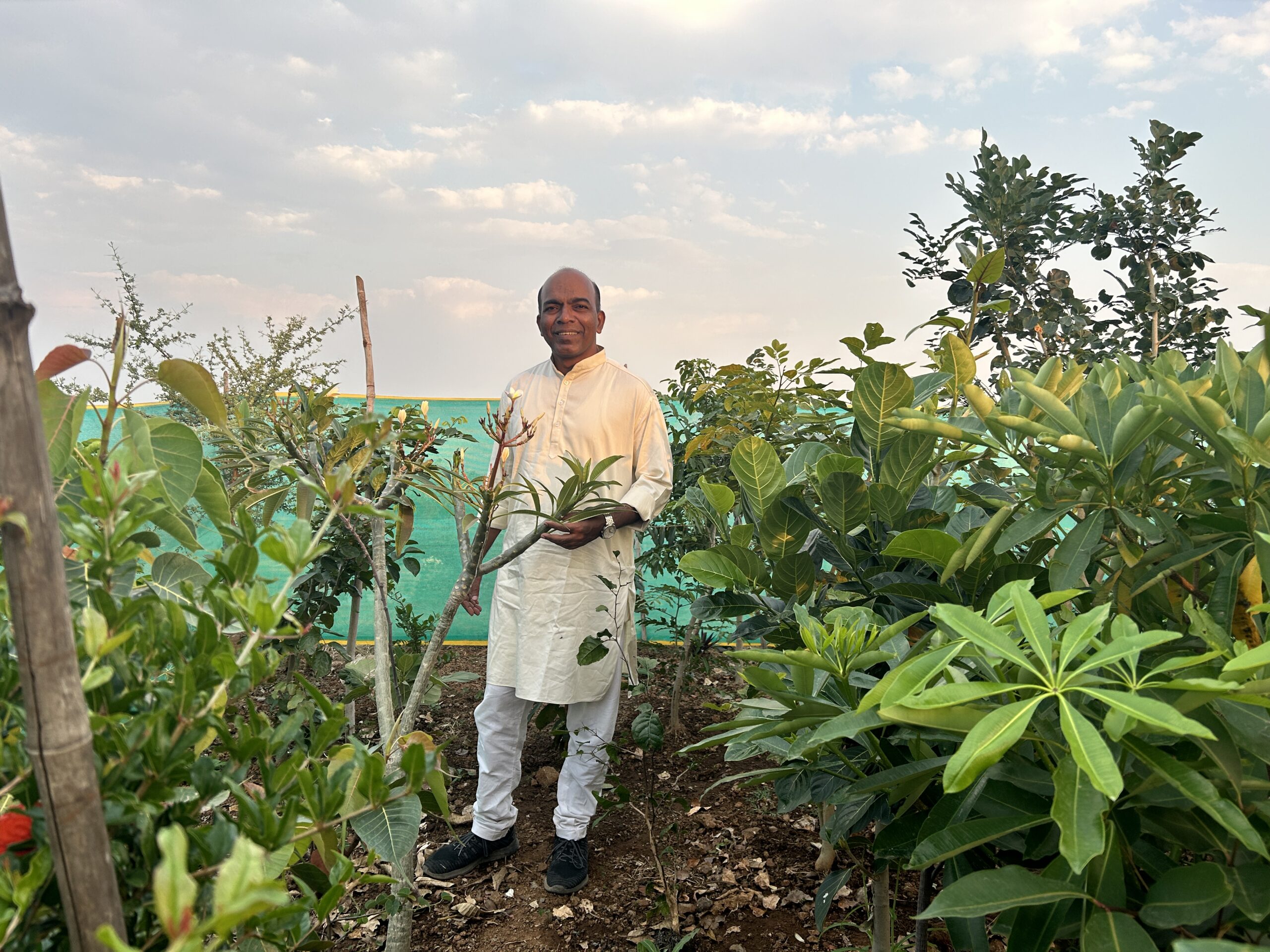
By owning a small forest of 300 native trees, every village has taken a significant step toward restoring the balance of nature.
These forests will soon extend their impact beyond village boundaries, revitalizing surrounding hills, valleys, and water bodies, creating a domino effect of ecological restoration.
It is an initiative that will leave a lasting legacy, reminding future generations that the power to heal the planet rests in our hands, our communities, and our collective will to make a difference.
Our Impact
150+
Villages participated
in the initiative
100+
Villages now host self-sustained Miyawaki forests.
1,000+
Native trees planted, promoting biodiversity